La Ventana Stories

Neighbor to Neighbor

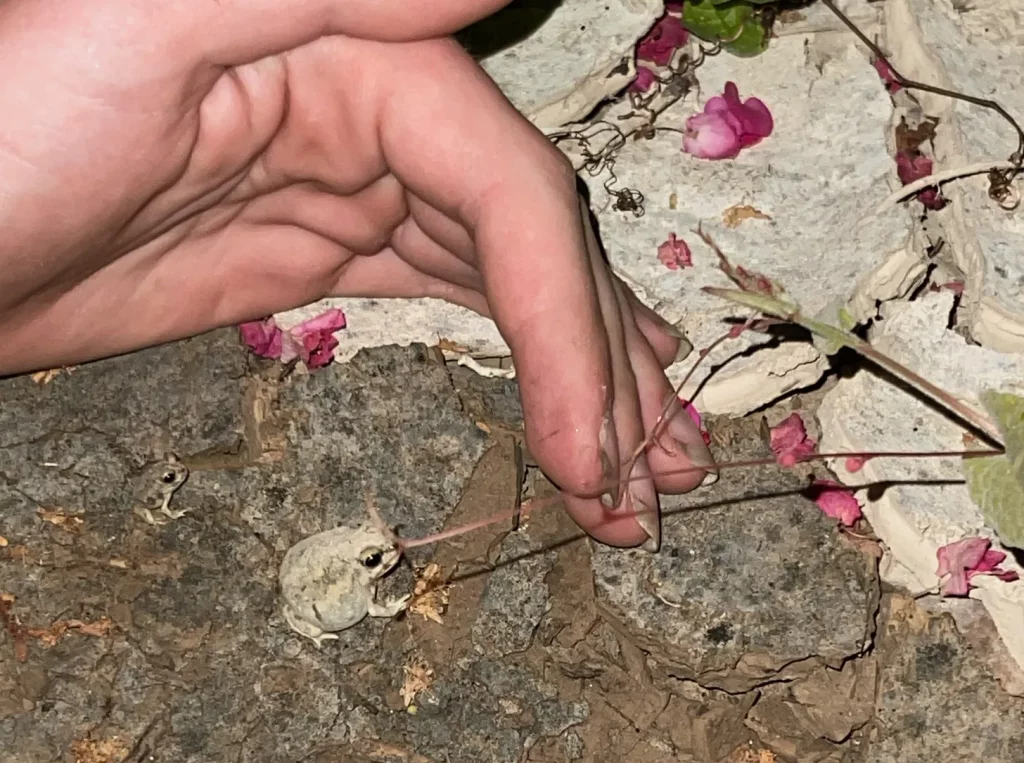
Dappled in patches throughout LV/ES we have some secretive friends who keep to themselves and act generally like good neighbors. These polite residents are the Couch’s Spadefoot Toads.  They spend much of their time deep underground where they can find moisture, although they do come out on occasion to go on late evening strolls in search of insects. 

These funny amphibians are surprisingly successful throughout dry deserts, living in regions that seem like the last place you would expect to see a frog. Once they reach adulthood, Couch’s Spadefoots can survive without rain for years! They do have one major drawback, however, that keeps them from being widespread across the area, and from being the world’s best neighbor: they are entirely dependent on standing water pools that last at least one week.

When the monsoon rains arrive, this is when the toads truly come alive! Studies have shown that the sounds and vibrations of heavy rain and thunder bring out the toads in force, and they meet at the all-important temporary ponds for massive toad blowout parties! After the rains, the sound of the toads’ calls can be almost deafening. I enjoy the toad orchestra, though it definitely lowers their score as neighbors.

Eggs are laid the first night after the rains and, in just 24 hours, tadpoles will hatch! Most impressively, in as little time as one week, the tadpoles will be fully metamorphosed into tiny toads.

The moral of this story is that toads rely on these temporary pools, so it is very important for us to make sure we don’t block off pools or waterways, and make sure the toads can reach them. The toads will live in our yards, and even in parking lots; all they ask is to get their annual party to ensure that there will be a next generation of 4-star neighbors.

If you have a seasonal pond on your property — or somewhere near you — please keep the toads in mind before you make a wall or berm, and they will thank you! Chance Stevens! chancestevens123@icloud.com
Overheated Coral

This summer 2023 water temperatures in La Ventana Bay have steadily remained above historical maximum levels. When coral is overheated, it expels photosynthesizing algae that produces food and energy so the coral can grow and remain healhty. Coral losing its algae then turns white. We are seeing a significant coral bleaching event happening still at the end of September 2023, and wont’ cease until temperatures drop below the coral bleaching threshold. William desertplayer@hotmail.com

Summer Stories

This summer I have had quite the leave of absence, and I am happy to announce that it is over! I have been traveling throughout the United States for the last three months (far too long) and am now finally ready to return to the sweltering desert that I missed so much. This week, I will tell of some of the more interesting events of my summer. 

Around mid-June we left Baja for Central Oregon, where we would spend the first month or so. When we arrived, we were greeted by an arctic winter: roughly 60 degrees. It took some time to adjust, particularly because it insisted on going full-winter mode and snowed a few days later, coinciding perfectly with my first day counseling at an outdoor nature school. 

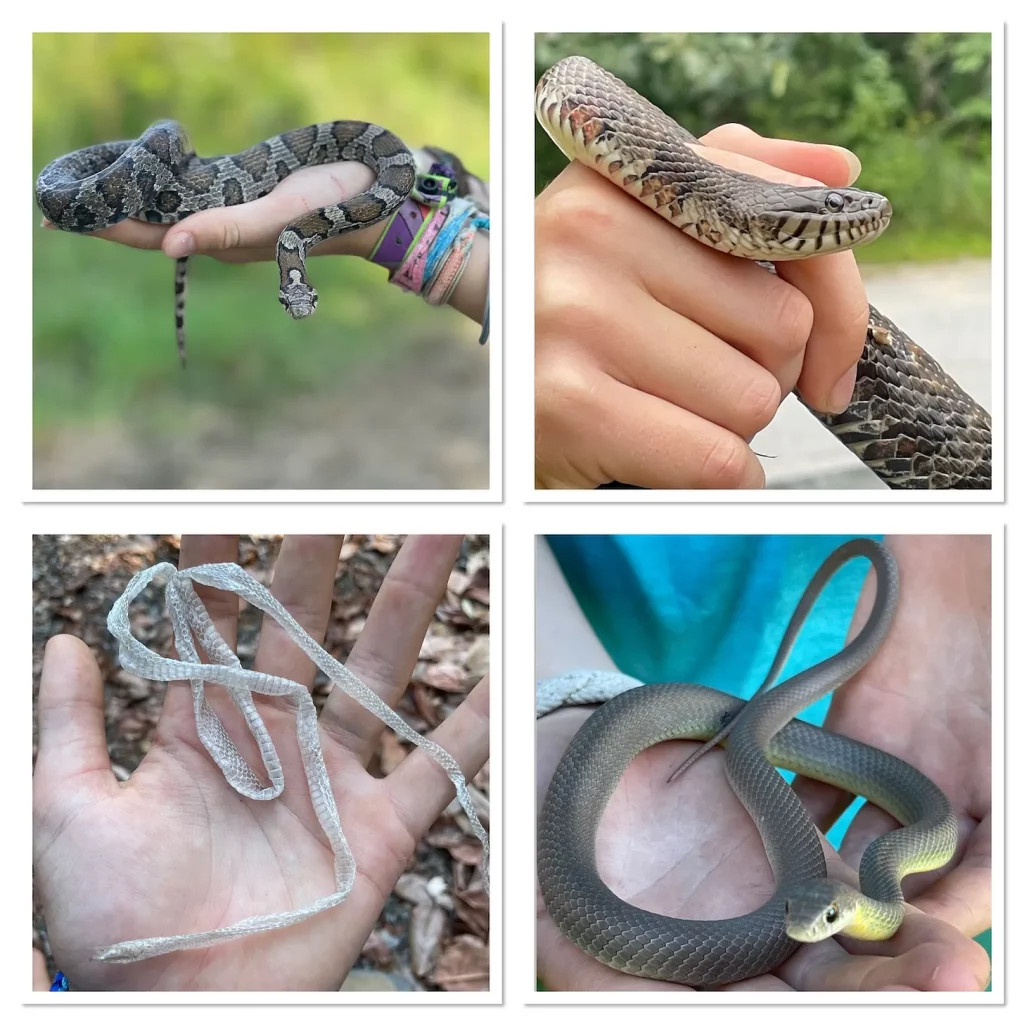
Our travels then took us to New England, where I found some incredible creatures, such as my first milk snake and many large grumpy water snakes that had evidently not had their coffee yet.

We then cleverly traveled back across the country to Northern California to finish up some business at a Mexican Consulate and visit friends. Here we had an amazing time discovering an old barn filled with interesting creatures such as racers, gopher snakes, ring neck snakes, alligator lizards, skinks, garter snakes and even a shed from a rubber boa. Unfortunately, getting there involved a steep, long hike up a huge hill, but of course I climbed it as often as I could. 

Finally, on the way back down to Baja, we stopped in San Diego to visit the San Diego Natural History Museum, which deserves a column of its own. – chancestevens123@icloud.com

Moon Jellyfish Report

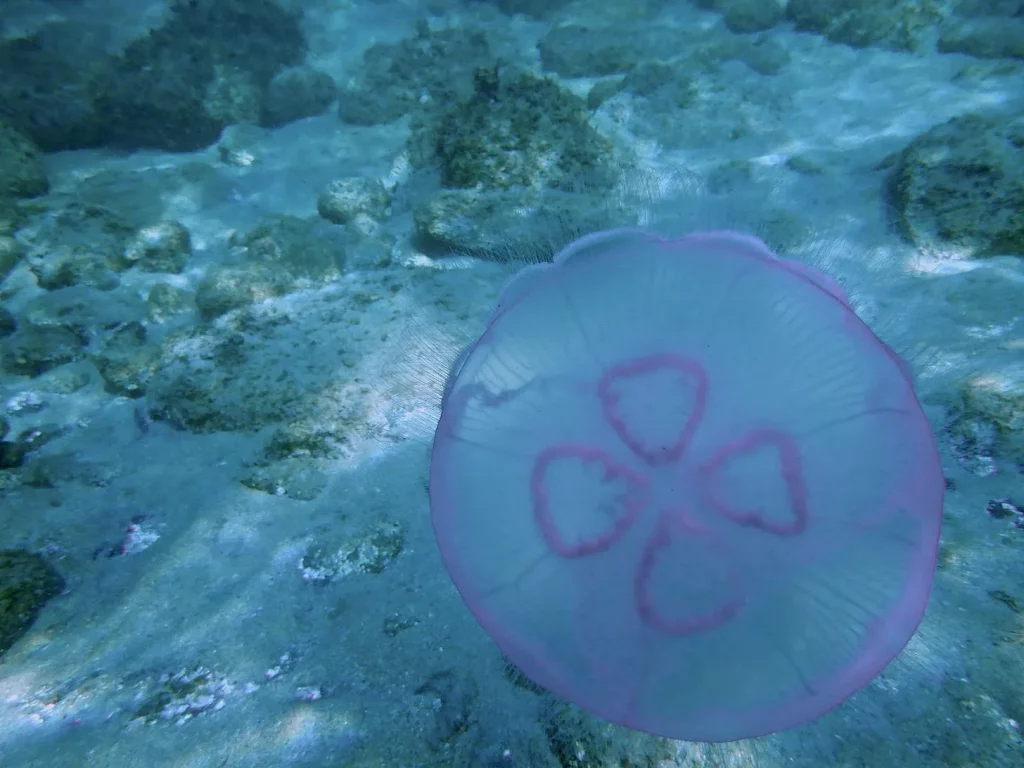
 Moon Jellyfish Report! They can be found in La Ventana Bay in the month of August. Luckily their stings aren’t said to be serious (much like a light case of nettles) and their tentacles are very short so you can swim around them easily to avoid being stung. On 8/12/23, I saw four Moon Jellyfish on my snorkel and snapped this photo. Word to the wise, don’t do what I did multiple times last August! I petted their bells, and then later rubbed my eyes. Apparently, the cells that slough off aren’t able to sting your thicker, hand skin,but they can sting your thin eyelid skin. Watch out for that!

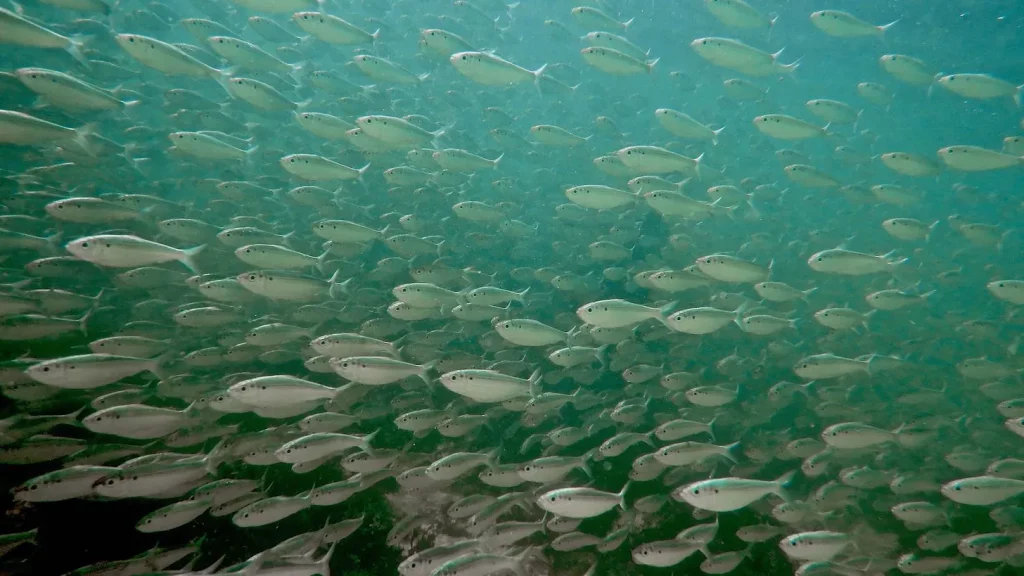
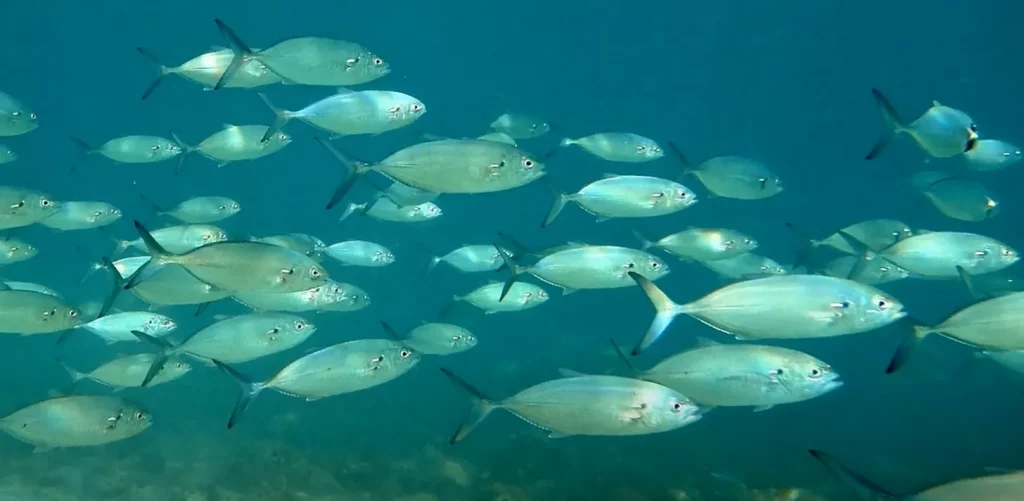
During the last week of July 2023, I swam with the same school of little Green Jacks on two different occasions. Usually, I will dive down, to try and photograph the school, but this time, I just floated, and approached them slowly, or waited for them to approach me. These smaller jacks tend to get much closer than the larger jacks. This was such fun watching them dart passed me, then start frenzy feeding. I thought I’d share this with you. Thanks. William desertplayer@hotmail.com

One Coral Reef Fish Species – A Quick Look

Here is a new video short apart of my series, One Coral Reef Fish Species- A Quick Look.

White Spotted Boxfish: Here’s a fish that I have never seen swimming in a group. Usually, they are alone or with a breeding partner swimming and residing along or beneath the coral reef. Each remains in a territory that can be repeatedly visited. (William desertplayer@hotmail.com)

 Sardine Runs

During spring/summer of 2021, one of the largest sardine runs in 25 yrs flowed along El Sargento beaches like a river. This was the most significant ecological event I have ever witnessed. Sardines, a food chain building block, transformed the bay into a series of feeding frenzies where marine species and sea birds were benefactors. I produced and initially released a short video in July 2021, called THE RETURN OF THE SARDINES, and then recently released a new one called 2021 A SARDINE RUN TO REMEMBER, using mostly unused footage of this epic return. Check out the videos, documenting much of the action that I witnessed. If you enjoy them, please consider taking time to share, like and subscribe. 1st time I have ever suggested that to viewers. Now, I sound like just another YouTuber! However, YouYube measures those to decide to bury or promote content. Thanks. William desertplayer@hotmail.com

Desert Rosy Boa

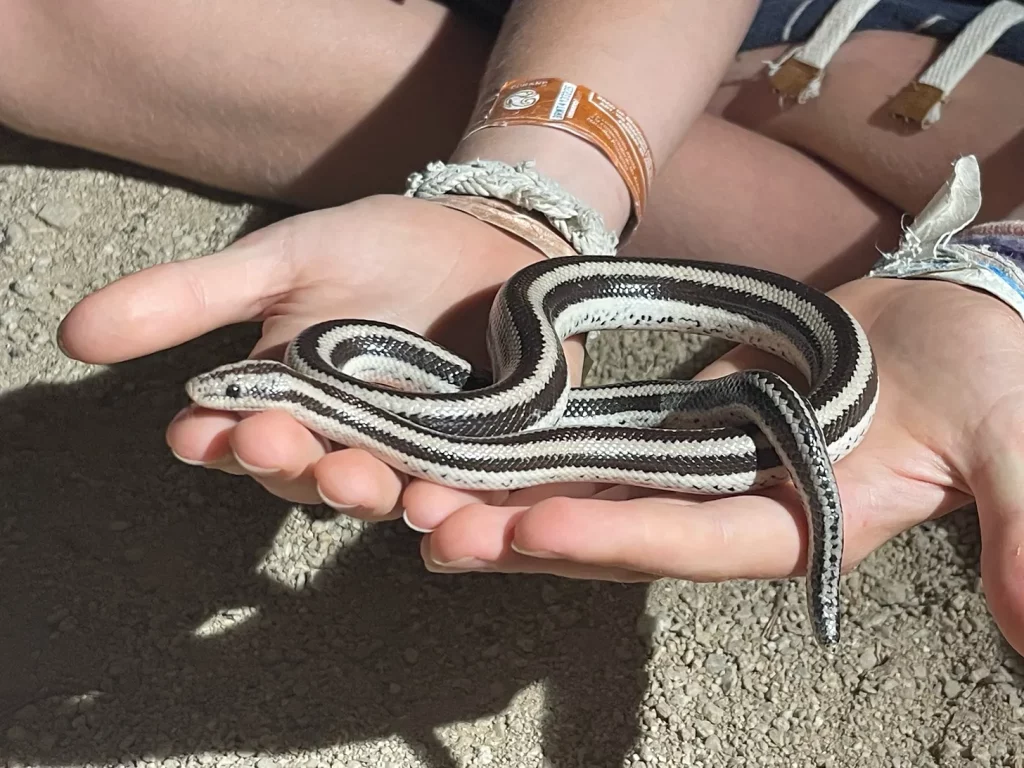
In the last few weeks, the weather has finally switched and, from now until October, the snake activity occurs chiefly after sunset. For weeks during the spring, I had been going on looking-for-reptile missions after dark many times — almost all complete flops — but recently my dad and I struck gold and found a Desert Rosy Boa (Lichanura trivirgata)!

In Southern Baja, rosy boas are beautiful snakes with cream and black stripes and cute faces. Well, at least that is my opinion. They are completely harmless, slow and relatively small, growing to about 91 centimeters (or 3 feet). These boas are usually nocturnal, although sometimes they will come out in the evening or occasionally in the day. Their diet consists mostly of small rodents, but they will eat small birds and reptiles once in a while. The snake we found was just exiting a hole in the road when we found it, and I believe they spend much of their time underground.

Rosy boas are some of the most laid-back snakes in North America, as they are slow, harmless and would never think of biting. We are very lucky to share our town with them and, if we do our part, hopefully we will be able to coexist with these amazing creatures far into the future. – chancestevens123@icloud.com

My Green Jack Friends

When I first arrived to El Sargento, I had no friends, and the Green Jacks regularly kept me company on my daily snorkels; they would follow me. They are known to follow paddle boarders, snorkelers and swimmers. But this bunch, seemed particularly conscientious. When I hit the water at 8am, they were there to follow me. There’s a clip of them following a Sierra, so maybe I am just a great big fish to them. Who knows? But what I do know, it was great fun to swim along in the middle of a school of active fish. Here’s video from the end of July 2023 of Little Green Jack School swimming very close at times, in a feeding frenzy. School of Little Green Jacks, La Ventana Bay (William desertplayer@hotmail.com)

 The Amazing Grace of Fish

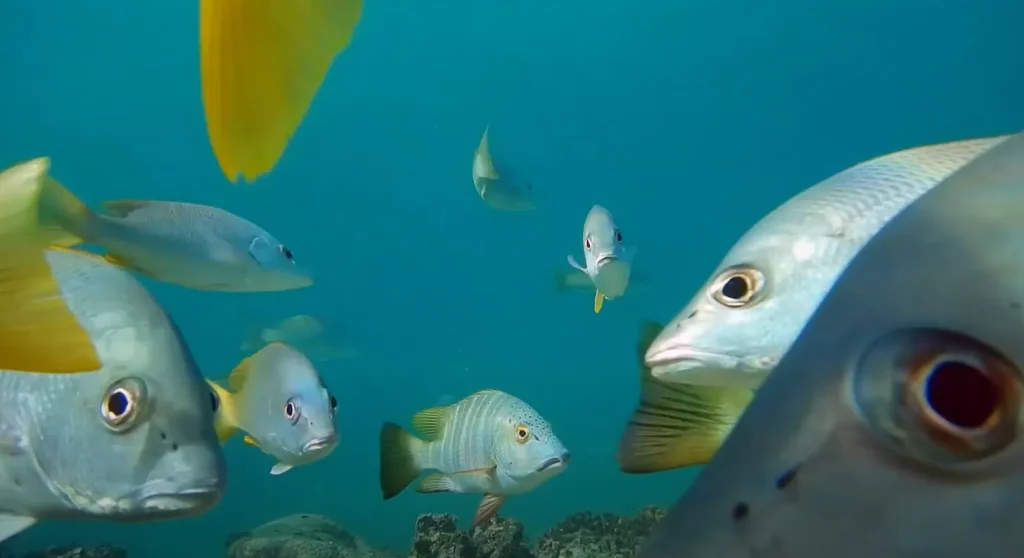
 The Amazing Grace of Fish: Early in my fish documentation project, I noticed patterns of behavior that a variety of fish share. One is rubbing against the sand. I was intrigued watching how fish propel themselves as they swim. So I focused the camera on those behaviors and made this video. The piano melody that accompanies this video, I heard every morning, filling the music room at Singing Bridge Performance Art Lodge in Cummington, MA. Out the windows, once green leaves, turned red and yellow, then would glide in the wind, landing along banks of the Westfield. Daniel’s melody grew on me. Today, it brings me back to that delightful time visiting New England in the fall. Watch the video. William desertplayer@hotmail.com

Supporting Local Fauna

This week I am presenting my column a little differently, as I do not have a new species to discuss. Here are a couple things that can be done to help the local fauna when developing property and building houses in LV/ES. 

  1. Leave Leaf Litter – A great way to help out our reptilian friends is to leave leaf litter! This is crucial for just about all lizards and small snakes. I see many people leaving bushes and trees to help animals, which is definitely a step in the right direction; however, raking all the leaves out from under the bushes and trees takes away the habitat and, therefore, no habitat, no lizards. My suggestion is to rake your paths and hangout areas, but leave the less-used portions of your property natural and un-raked.
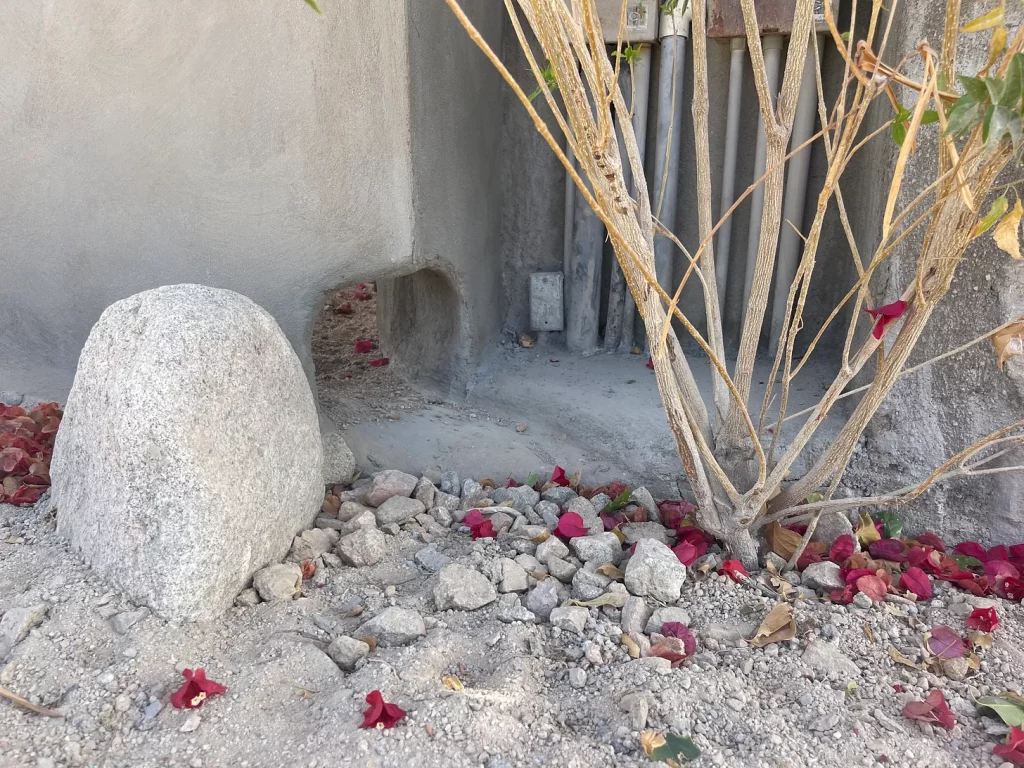
  2. Leave Holes in Walls – Leave places for animals to get through your walls. Many people in this area have huge concrete walls surrounding their property and, although these are obstacles, reptiles can manage fine with just a little help. A great way to let reptiles pass through is to leave a small gap on the bottom of the wall along the sand line. It could be just a tiny hole 3 x 3 inches (8 x 8 centimeters). Even an opening this small can be a huge help. And you will likely be rewarded! If you watch the hole for a while, you will hopefully get to see it being used.

If you are worried about holes because you don’t want rattlesnakes coming onto your property, think about it this way: If a snake comes through your gate, it will likely cross to the other side and try to find a way to keep moving. When it hits a wall, it will search for an exit; if it can’t find one, it will have no choice but to backtrack or just hang out. So now you have an uninvited guest, trapped in your space, helping itself to your amenities, and rodents. – If you want to talk or walk reptiles, email ChanceStevens123@icloud.com